Herdlife - The Company of Other Horses/Ponies
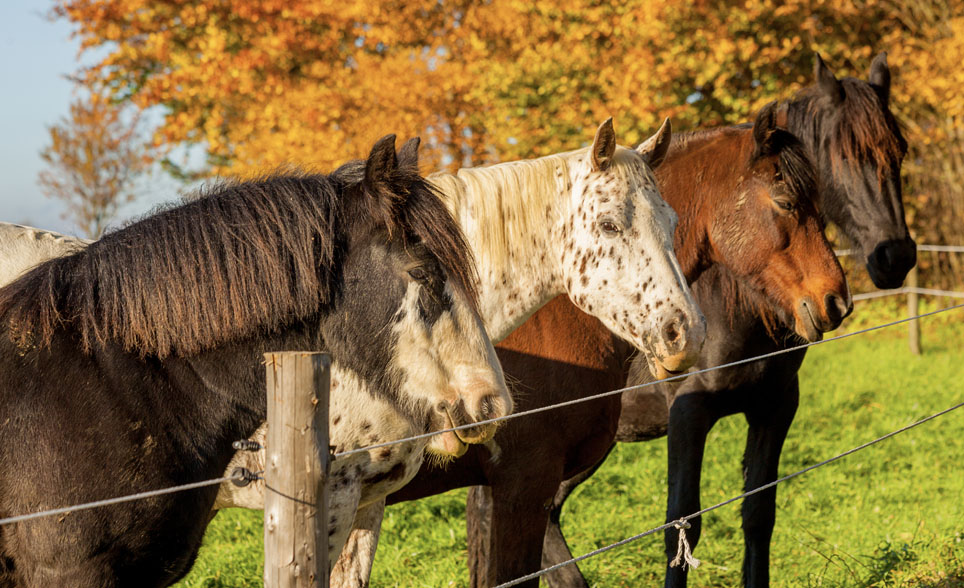
Horses are very social animals so herdlife is very important to them.
They are prey animals and they have evolved to rely on safety in numbers - the more eyes watching out for predators the better! They feel safer in open spaces where they can see all around them. In the wild their lives often depend on it.
Domestic horses also have a pecking order and will form close friendships. That is why it is important for horses to have herd stability. Moving from one barn to another can be very stressful for the horse and can lead to health and behavioural issues.
Benefits of Herdlife
Horses love to romp, play and hang out together. This helps develop social skills that help keep harmony in the herd. In the wild most horse families are made up of a single stallion and a number of mares. One of these mares will be the stallion's favourite. She will be dominant (the alpha mare) and lead the herd, including the stallion. Within the rest of the group there will be a pecking order which is established through daily interactions.
Horses also like to groom each other. This helps to get to those itchy spots that they can't reach by themselves. Often they will stand head to tail so that they can swat flies away from each other's faces. This is why it is important for them to have the company of equals rather than other species such as cows or sheep.
Horses that are stabled and deprived of contact with other horses often develop vices such as wind sucking and weaving. They can become depressed and withdraw into themselves. Sometimes they become aggressive. These vices are the only way they are able to express themselves. When the horse is put under such stress then the digestive and immune systems are affected making the horse more susceptible to illness and disease.
Return from Herdlife to Natural Boarding home page